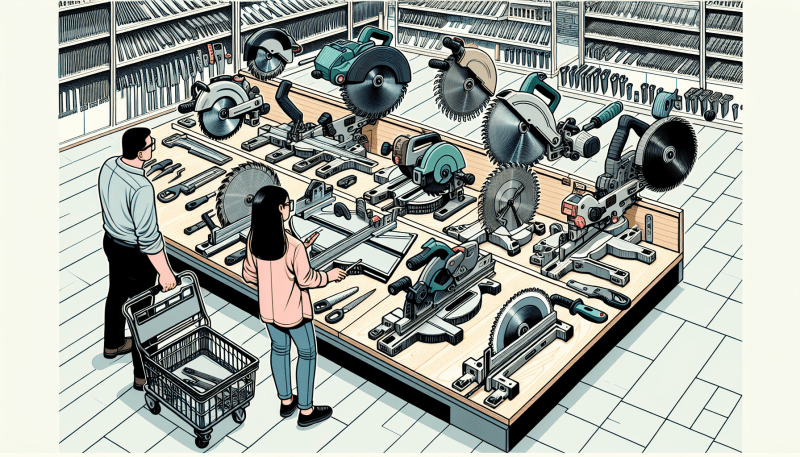
Woodworking is a skill that can be enjoyed by most anyone and all beginners should be armed with the basics before taking up this craft. Many of the more complex tools can come later and non-essential tools can be purchased after one has a working knowledge of the subject. This article will discuss some of the best first tools to purchase for any aspiring woodworker.
Types of Essential Wood Working Tools
Starting out in wood working can be daunting, given the sheer variety of tools available. When it comes to beginner tools, there are certain essential tools you'll need to have on hand as you get started. Here's a quick guide to some of the most essential wood working tools and their uses.
Hand and Power Tools
Hand tools, such as a chisels, saws, and planes, are often cheaper, reliable, and simple to use and are the foundation of what you will need to get started on your projects. On the other hand, power tools such as drills, circular saws, and angle grinders can cut through any material quickly and effortlessly with little to no risk of injury.
Measuring and Marking Tools
It's important to have accurate measurements when woodworking, which is why you will need to invest in quality measuring and marking tools, such as rulers, squares, and protractors. Acu-Rite makes some of the best precision tools that are a good option for beginners.
Joinery Tools
Joinery tools allow you to join two pieces of wood together, and can be used to create everything from shelves to beds. You'll need to add a few essential tools to your toolkit, such as a dovetail or mortise and tenon jib. If you want to work on small projects, biscuit or dowel joinery tools are an affordable option.
Clamps and Vises
Woodworking projects often require you to hold and work with pieces, so you'll need to invest in clamps and vises. F-style bar clamps are incredibly versatile and ideal for clamping on all different types of surfaces, while smaller C-clamps are better for more precise jobs. A woodworking vise will give you more control and precision when working with small pieces.
Finishing Tools
Finally, you'll need to invest in certain finishing tools to protect and embellish the projects you make. A good sandpaper or sander will allow you to get a smooth finished surface, while chisels can help you create decorative patterns and grooves. Brushes and rags can be used to apply lacquers and other finishes to give your project a polished look.
With the right set of essential woodworking tools, you'll be able to confidently tackle any project. As you continue to work on projects, you can increase your tool collection to accommodate more advanced techniques.
The Benefits of Owning Quality Wood Working Tools
Invest in Quality
One of the main benefits of investing in quality wood working tools is that they will last for a long time without needing repair or replacement. You won't have to worry about investing money into repairs or replacements when you invest in quality tools. You'll be able to get the most out of your tools and they will last much longer than those of lesser quality.
More Versatility
Another benefit of quality tools is that they often offer more versatility and features. Many higher end tools are designed to give you more options when performing a task or craft. This means you can get more done faster and with greater ease than with lesser quality tools.
Increased Precision
Moreover, when you purchase quality tools, you are assured of precise cuts, finishes, and measurements. Quality tools offer you the ability to craft even the smallest and most delicate of pieces with exacting accuracy. This also allows you to be much more creative and produce unique pieces that will stand out.
Investing in quality wood working tools can be an incredible benefit to anyone performing wood working projects. Not only do they last longer, they also offer more versatility and increased precision compared to lesser quality tools.
Safety Considerations When Purchasing Wood Working Tools
When deciding which wood working tools to purchase for your first woodworking project, it is important to consider safety. Many of the tools used in woodworking are dangerous and require a certain level of skill and knowledge to use safely. Some of the more dangerous tools include saws, drill presses, routers, sanders and power tools.
If you are just starting out, it's a good idea to purchase used tools or tools with safety features in place. Used tools should be inspected to make sure they are in good working condition before they are used. Additionally, these tools should be regularly maintained to ensure they are in proper working order.
It's also important to make sure you invest in the right protective gear. Goggles, gloves, dust masks and hearing protection should all be worn when operating woodworking tools. Additionally, respirators should be worn when working with chemicals or other dangerous materials. Lastly, make sure you are wearing the proper clothing. Long sleeves, long pants and closed toe shoes should be worn when working with any tool.
When following these safety considerations, you can have peace of mind that your woodworking experience will be safe and successful.
Desirable Features of Quality Wood Working Tools
Whether you’re a professional wood worker or a beginner just getting started, having the right tools is essential to ensuring your success. To ensure you’re able to work safely and efficiently, here are some of the top features to look for when selecting wood working tools.
Safety
When it comes to working with any type of material, safety should always be a top priority. Look for tools that have features such as over-molded handles and ratcheting systems, which help prevent the tool from slipping out of your hand while in use.
Durability
Well-made tools can last for many years and make your wood working experience more enjoyable. Look for tools that are made from high-grade materials and have tight-fitting connections. If possible, test the tools in your hands to ensure that everything feels properly aligned and secure.
Versatility
Having a tool that can do a variety of tasks is invaluable. Look for tools that offer features such as adjustable blades or screwdriver ends to maximize your versatility and make your work go smoother.
Ergonomics
Working with wood can be physically demanding. Look for tools that have handles that fit comfortably in your hands and won’t cause fatigue during long periods of use. This can help protect your body from unnecessary strain.
Warranty
There is often a lot of money invested in wood working tools, so it’s important to make sure you’re making a good investment. Look for tools that offer a warranty in case something goes wrong. This can give you peace of mind that your tools will last for many years.
Finding the right wood working tools can be a difficult task, but taking the time to research the features and benefits that are most important to you can help ensure that you make the right purchase. With the right set of tools, you’ll be ready to tackle any wood working project.
Recommended Wood Working Tools for Beginners
If you're just starting out with woodworking, it's important to consider which tools to invest in first. Having the right tools on hand can make starting your woodworking projects much easier. Here are some of our top recommendations for the best first tools to purchase for woodworking.
Essential Hand Tools for Woodworking
- Chisels: Chisels are great for detail work such as milling, chamfering, and cutting tenons and mortises.
- Hammers and Mallets: Hammers and mallets are essential for driving nails, chisels, and other sharp objects.
- Handsaws: Handsaws come in a variety of sizes and teeth per inch (TPI) configurations. The most common is a crosscut handsaw, but you may want to invest in a rip saw and dovetail saw as well.
- Clamps: Clamps are needed to hold pieces of wood together while drilling, gluing, and more. The size of the clamp you need depends on the thickness of the wood.
- Planes: Planes can be used for smoothing, trimming, and shaping wood. A #4 bench plane is a great place to start.
- Files and Rasps: These are great for shaping curved objects, such as inside and outside corners, as well as sculpting.
Power Tools for Woodworking
- Circular Saw: Circular saws are used to make crosscuts and rip cuts in thicker pieces of wood.
- Jigsaw: Jigsaws are excellent for making curved cuts, as well as plunge cuts against a surface.
- Drill: Drills are essential for boring holes into wood. You may want to invest in both cordless and corded versions so you have options for different projects.
- Sander: Sanders are ideal for smoothing out the surface of wood. An orbital sander is great for most applications.
Other Essentials
- Workbench: A workbench is essential for any woodworking project. You may want to use a foldable workbench to save space.
- Safety Equipment: Safety is paramount when working with wood. Invest in proper safety equipment such as goggles, face masks, and ear muffs.
- Measuring Tools: Measuring tools are a must for any woodworking project. Make sure you have a combination square, calipers, a tape measure, and a ruler.
By investing in these tools and equipment, you'll have everything you need to get started with woodworking. Have fun with your projects and be sure to take the necessary safety precautions!
Final Considerations Before Purchasing Wood Working Tools
Having considered the various types of woodworking tools you'll need for your project, you should give due consideration to what else may be essential before purchasing any new tools. The following outlines some key points to remember.
Safety
Many woodworking tools can be quite dangerous if used incorrectly, so do take some steps to ensure that you use them safely. Always follow guidelines provided by the manufacturers of your tools, wear protective clothing and safety gear, and keep your workshop area tidy and inspect it regularly.
Budget
It's important to set a budget you can afford before committing to purchasing any tools. Have a detailed list of the tools you require and do some research to find out which are the best within your price range. This way you can be sure you are buying the best value for money when it comes to your tools.
Storage & Maintenance
Proper storage and upkeep of your tools is essential to prolong their life and keep them functioning correctly. Research ways to properly store and maintain your tools, and be sure to invest in good quality cases and containers for them when needed. Set aside time for regular maintenance, including sharpening and polishing of your tools.
Experience
Finally, it's worth remembering that woodworking tools can take a little time and practice to learn how to use correctly. Ask experienced woodworkers for advice before purchasing your tools and also once you have them. This will help you learn how to use them properly so you can get the most out of your new tools.
Conclusion
Woodworking is an enjoyable and rewarding hobby. Investing in the right tools is an essential first step in any woodworking project. Beginner woodworkers should browse the wide array of tools available, identify those which are most useful for the task at hand, and invest in those which offer the best combination of quality, features, and value for the money. Experienced woodworkers can add specialty tools to their arsenal as needed.
Keep in mind that no matter what tools you choose, there is no substitute for knowledge and experience when it comes to woodworking. Take the time to read up on woodworking techniques and familiarize yourself with the tools you have before getting started.