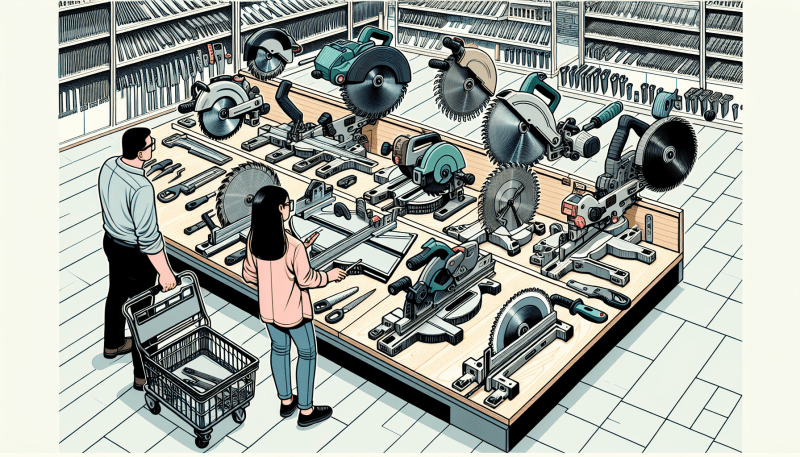
When it comes to purchasing a miter saw, there are several important factors to consider. From the type of cutting power to the intended use of the tool, making the right choice can greatly impact your woodworking projects. Here are a few key considerations to keep in mind:
1. Cutting Capacity
The cutting capacity of a miter saw refers to the maximum size of material it can handle efficiently. This is determined by the blade size and the tool's ability to tilt and rotate. Before buying a miter saw, carefully evaluate your needs and ensure that the cutting capacity aligns with your typical woodworking projects.
2. Blade Types
Not all miter saw blades are created equal. There are various blade types available, each designed to tackle different materials and cutting tasks. For instance, crosscut blades are ideal for making smooth cuts across the grain, while ripping blades are more suitable for cutting with the grain. Consider the type of work you typically do and choose blades accordingly to achieve the best results.
3. Power Source
Miter saws are available in both corded and cordless options. Corded saws provide consistent power and save you the hassle of battery recharging. On the other hand, cordless saws offer portability and convenience but may be limited in terms of runtime. Consider your workspace and whether access to a power outlet is readily available, as this can help you decide which power source is most practical for your needs.
4. Bevel and Miter Range
Bevel and miter ranges determine the flexibility and versatility of a miter saw. While most miter saws can tilt to make bevel cuts in a single direction, some advanced models can tilt in multiple directions, making them more adaptable for complex projects. Additionally, the miter range determines the maximum angle a saw can cut in either direction. Consider the range of angles you typically work with and ensure that the miter saw you choose can accommodate those needs.
5. Safety Features
Woodworking can be dangerous, and using power tools requires caution. Before making a purchase, review the safety features of the miter saw you are considering. Look for features such as blade guards, electric brakes, and trigger locks. These safety features can help protect you from accidents and should not be overlooked.
By carefully considering these key factors, you will be better equipped to choose the right miter saw for your woodworking needs. Remember to assess your requirements, evaluate the options available, and make an informed decision that maximizes both performance and safety.
Mastering the Art of Precision Cuts: Miter Saw Techniques
When it comes to making accurate cuts, miter saws are an essential tool for both professional carpenters and DIY enthusiasts alike. With their ability to easily create precise angles and bevels, these versatile machines can tackle a wide range of projects. To help you get the most out of your miter saw, we've put together a guide on mastering the art of precision cuts. Read on to discover some essential techniques that will take your woodworking skills to the next level.
1. Understanding the Basics
Before diving into more advanced techniques, it's crucial to familiarize yourself with the basic functions of a miter saw. Start by understanding the different types of cuts: crosscuts, miter cuts, bevel cuts, and compound cuts. Each cut requires adjusting specific elements of the saw, such as the angle and bevel settings. Take your time to study the user manual and experiment with different settings to gain a better understanding of how your miter saw works.
2. Marking and Measuring
Precision cuts start with accurate measurements. Use a measuring tape or a square to mark the length and angle of your desired cut on the wood. It's crucial to be precise and double-check your measurements before making any cuts. For added accuracy, use a sharp pencil or a knife to create fine lines that are easy to follow with your saw blade.
3. Secure the Workpiece
One of the key factors in achieving precise cuts is to ensure your workpiece is securely fastened in place. Use clamps or a vice to hold your material firmly onto the miter saw's table. This will prevent any movement or wobbling during your cutting process, reducing the risk of errors.
4. Aligning the Blade
To ensure your cuts are accurate, it's important to properly align the blade with your marked cut line. Most miter saws come with laser guides or an adjustable laser system that helps visualize the exact path of the blade. Take advantage of these features to ensure your blade is aligned correctly before making your cut.
5. Smooth and Controlled Cutting
When it's time to make the cut, maintain a smooth and controlled motion to achieve the best results. Avoid rushing or forcing the blade through the material, as this can lead to rough edges or inaccurate cuts. Let the saw do the work while you guide it gently through the marked line.
6. Practice Makes Perfect
Mastering precision cuts with a miter saw takes practice and patience. Start with small, simple projects and gradually work your way up to more complex cuts. As you gain experience, you'll develop a better feel for the saw's capabilities and improve your accuracy.
Remember, safety should always be your top priority when using power tools like miter saws. Wear appropriate safety gear, such as goggles and ear protection, and always follow the manufacturer's instructions.
By mastering these miter saw techniques, you'll be well on your way to creating flawless cuts and elevating your woodworking skills to new heights. Happy cutting!
Smart Shopping Strategies: Finding the Perfect Miter Saw
When it comes to woodworking or DIY projects, a miter saw is an essential tool to have in your arsenal. This versatile tool allows you to make precise cuts at various angles, making it ideal for creating clean and professional-looking finishes. However, with so many options available on the market, finding the perfect miter saw can be quite overwhelming. To help you make an informed decision, here are some smart shopping strategies to consider:
1. Determine your Needs
Before embarking on your miter saw shopping journey, it's important to assess your specific needs. Consider the types of projects you'll be working on most frequently and the materials you'll be cutting. This will help you determine the size, power, and features you'll require in a miter saw.
2. Understand the Types of Miter Saws
Miter saws come in various types, such as standard miter saws, compound miter saws, sliding compound miter saws, and dual bevel miter saws. Each type has its own unique features and capabilities. By understanding the differences, you'll be able to choose the type that best suits your needs.
3. Consider Blade Size and Power
The blade size and power of a miter saw are crucial factors to consider. The blade size determines the maximum width of material you can cut, while the power determines the speed and efficiency of the cuts. For smaller projects, a 10-inch blade with around 15 amps of power should suffice. However, for larger, more demanding projects, opt for a 12-inch blade with higher power.
4. Look for Adjustable Features
Adjustability is an important feature to look for in a miter saw. Check if the saw has adjustable bevel angles and miter detents, as these allow for greater versatility in cutting angles. Additionally, a laser guide or digital display can greatly enhance the accuracy and precision of your cuts.
5. Consider Safety Features
Since handling powerful cutting tools can be risky, safety features are of utmost importance. Look for miter saws with blade guards, electric brakes, and a secure fence system. These features help protect you from accidental injuries and ensure a safer working environment.
6. Read Customer Reviews
One of the best ways to gauge the quality and performance of a miter saw is by reading customer reviews. Take the time to browse through reviews from verified buyers to get a better understanding of a specific model's pros and cons. This will help you make a more informed decision and avoid potential pitfalls.
7. Set a Realistic Budget
Lastly, it's essential to establish a realistic budget before making a purchase. Miter saws range in price depending on their features and capabilities. Determine how much you're willing to invest and then narrow down your options accordingly. Remember, quality is key, so it's worth considering a slightly higher price range for a durable and reliable miter saw.
By following these smart shopping strategies, you'll be well-prepared to find the perfect miter saw that meets your needs and enhances your woodworking or DIY projects. Happy shopping!