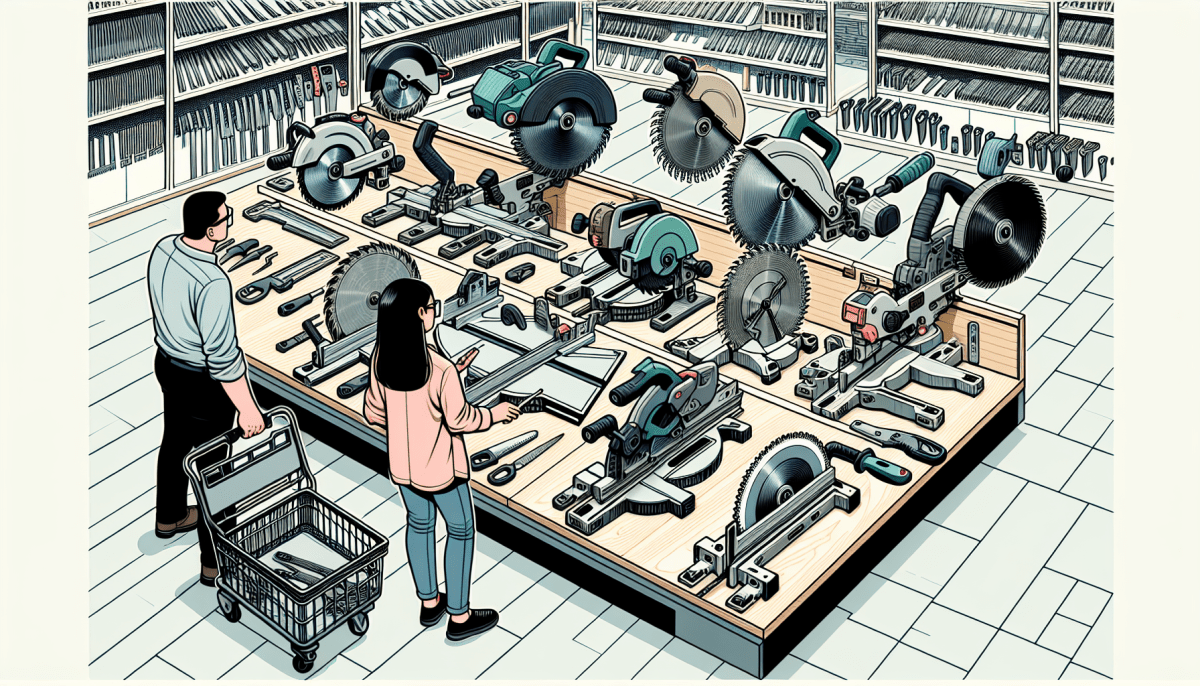
When it comes to buying the perfect miter saw, there are a variety of factors you need to consider. One of the most important decisions you'll have to make is choosing the right type of miter saw for your needs. In this comprehensive comparison, we'll explore the different types of miter saws available in the market today.
1. Standard Miter Saw
A standard miter saw, also known as a basic miter saw, is the most common type you'll find. It features a pivoting arm that allows you to make crosscuts at various angles. These saws are best suited for simple DIY projects and are perfect for cutting materials like trim, baseboards, and other smaller pieces of wood.
Standard miter saws have limited cutting capacities compared to other types, so keep that in mind if you plan on working with larger materials.
2. Compound Miter Saw
If you need more versatility, a compound miter saw might be the right choice for you. These saws can tilt in addition to pivoting, allowing you to make bevel cuts along with crosscuts. This added feature makes compound miter saws ideal for creating complex angles and joints.
Compound miter saws are widely used in woodworking, especially for projects that involve crown molding, picture frames, and furniture-making. They offer greater cutting versatility compared to standard miter saws, albeit at a slightly higher price.
3. Sliding Compound Miter Saw
The sliding compound miter saw takes versatility to a whole new level. As the name suggests, this type of miter saw not only pivots and tilts but can also slide the blade forward and backward. This sliding feature allows you to cut through wider boards effortlessly.
Sliding compound miter saws are often the tool of choice for professional carpenters and woodworkers who frequently handle larger projects. They are perfect for cutting wide boards, large crown moldings, and even cutting at different angles simultaneously.
4. Dual-Bevel Sliding Compound Miter Saw
If you're looking for the ultimate miter saw experience, a dual-bevel sliding compound miter saw is the way to go. These top-of-the-line saws combine the sliding and tilting capabilities of a sliding compound miter saw with the added convenience of being able to tilt the blade in both directions.
With a dual-bevel sliding compound miter saw, you can make compound miter cuts without having to flip the workpiece. This not only saves time but also ensures greater accuracy in your cuts. These miter saws are perfect for professional woodworkers who demand precision and efficiency.
Remember, each type of miter saw has its advantages and disadvantages, so the right choice ultimately depends on your specific needs. Consider the types of projects you'll be working on, the materials you'll be cutting, and your budget before making a decision.
Now that you have a comprehensive comparison of the different types of miter saws available, you can make an informed choice and buy the perfect miter saw to suit your needs.
Size Matters: Finding the Optimal Miter Saw Dimensions
When it comes to buying the perfect miter saw, one essential factor to consider is its size. The dimensions of a miter saw can greatly influence its overall functionality and usability. In this article, we will delve into the importance of size and how to find the optimal dimensions that match your needs.
Workshop Space
The first thing to consider when determining the size of your ideal miter saw is the space available in your workshop. Whether you have a small corner dedicated to your woodworking projects or a spacious garage, knowing your limitations will help you choose a saw that fits comfortably within your workspace. Measure the dimensions of your work area and keep them in mind as you explore your options.
Portability vs. Stability
Another vital aspect to consider is whether you require a portable or a stationary miter saw. Portable miter saws tend to be more compact and lightweight, making them perfect for job site work or if you frequently need to transport your tools. On the other hand, if stability and added features are a priority, a larger and heavier stationary miter saw may be preferable for your needs. Evaluate your requirements and determine which trade-off works best for you.
Maximum Cutting Capacity
The size of a miter saw also directly affects its maximum cutting capacity. A larger saw generally means a longer blade and a greater capacity for wider and thicker cutting materials. If you frequently work with large stock or have projects that require cutting through thick hardwood boards, then a miter saw with a larger size and cutting capacity is a must. However, if you typically handle smaller projects and do not require extensive cutting capacity, a smaller saw may suffice.
Bevel and Miter Range
Furthermore, the dimensions of a miter saw can impact the range of bevel and miter angles it can achieve. A larger saw typically offers a wider range of cutting angles, allowing for more versatile cuts and complex woodworking projects. If your line of work involves intricate angles and precise bevel cuts, a larger miter saw with a broader range will provide you with greater flexibility and accuracy.
It's crucial to strike a balance between the size of a miter saw and its intended use. While a larger saw may offer more capacity and versatility, it might be unnecessary and cumbersome for simpler projects. Conversely, a smaller saw may lack the cutting capacity required for bigger tasks. Evaluate your woodworking needs along with the available space and make an informed decision that suits your requirements.
Remember, size matters when it comes to finding the optimal dimensions for your miter saw. Consider your workshop space, whether you need portability or stability, the maximum cutting capacity required, and the desired bevel and miter range. By carefully analyzing these factors, you will be well on your way to buying the perfect miter saw that fits your needs like a glove.
Mastering Precision: Tips for Evaluating Cutting Accuracy
When it comes to buying the perfect miter saw, one of the most important factors to consider is cutting accuracy. After all, what good is a saw if it can't make precise and clean cuts?
Here are some tips to help you evaluate the cutting accuracy of a miter saw before making a purchase:
1. Look for Sturdy Construction
A miter saw with a solid and sturdy construction is more likely to deliver accurate cuts. Check for any wobbling or loose parts that could affect the saw's performance. A well-built saw will minimize vibrations, resulting in cleaner and more precise cuts.
2. Check the Blade Quality
The quality of the blade plays a crucial role in the accuracy of your cuts. Look for a miter saw that comes with a high-quality and sharp blade. A dull blade will not only compromise the accuracy but can also cause rough edges and tear-outs. Consider investing in a saw that allows easy blade replacement and provides options for choosing different blade types based on your cutting needs.
3. Evaluate the Cutting Guides
Miter saws often come with built-in cutting guides, such as laser guides or LED lights, to help you achieve accurate cuts. Test these guides to ensure they align precisely with your cutting line. Additionally, check if the guides are easily adjustable and provide clear visibility of the cutting area. A well-designed cutting guide system can greatly enhance accuracy and improve your overall cutting experience.
4. Precision Adjustment Features
Consider the precision adjustment features available on the miter saw. Look for a saw with easy-to-use bevel and miter controls, allowing you to fine-tune the angles for accurate cuts. Also, check if the saw provides positive stops at common angles, as they can help in repetitive cutting tasks.
5. Dust Management System
A clean work area not only helps you focus better but also enables accurate cutting. A miter saw with an effective dust management system will keep the cutting area free from debris and provide better visibility. Look for saws with dust collection bags or vacuum attachments that efficiently capture and contain dust particles.
Remember, ensuring cutting accuracy is essential for any woodworking project. By considering these tips and carefully evaluating the cutting accuracy features of a miter saw, you'll be well on your way to owning the perfect saw that allows you to master precision in your projects.
